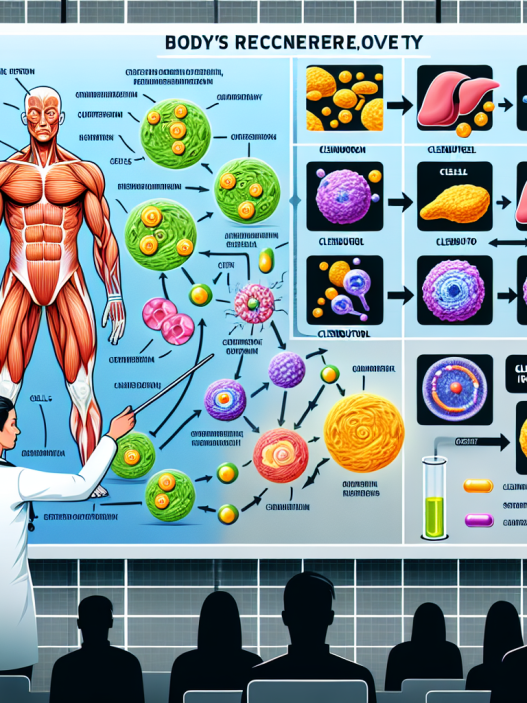


Steroids, particularly anabolic steroids, have become a significant subject of research and discussion in the realm of sports and fitness. Their use is not without consequences, especially concerning metabolic processes like insulin regulation. Understanding the connection between steroids and insulin levels can help athletes make informed decisions about their supplementation and training regimens.
The sports pharmacology shop https://strengthlabuk.com/ values the trust of its customers and offers only proven anabolic steroids with a guarantee of success.
1. What Are Steroids?
Steroids are synthetic compounds that mimic the effects of the male sex hormone testosterone. They are known for enhancing muscle mass and athletic performance, but they can also have significant effects on various hormonal systems in the body, including insulin.
2. Insulin Overview
Insulin is a hormone produced by the pancreas that plays a crucial role in glucose metabolism and maintaining blood sugar levels. It facilitates the uptake of glucose into cells, allowing it to be used for energy or stored for future use.
3. How Steroids Influence Insulin Levels
The interaction between steroids and insulin levels can manifest in several ways:
- Increased Insulin Sensitivity: Some studies suggest that anabolic steroids might enhance insulin sensitivity. This means that the body’s cells are better able to respond to insulin, which can improve glucose uptake and utilization.
- Altered Glucose Metabolism: Steroids can impact how the body metabolizes carbohydrates, potentially leading to fluctuations in blood sugar levels. Some athletes may experience higher blood glucose levels, especially with excessive steroid use.
- Insulin Resistance: Prolonged steroid use can lead to insulin resistance, where the body’s cells become less responsive to insulin. This can result in increased blood sugar levels and may predispose users to type 2 diabetes.
- Impact on Appetite and Weight: Steroids can influence appetite, often leading to weight gain. This weight gain can exacerbate insulin resistance, creating a cycle that is difficult to break.
4. Conclusion
While anabolic steroids can offer performance benefits, their impact on insulin levels and overall metabolic health is a critical consideration. Athletes and bodybuilders should weigh the potential advantages against possible long-term health consequences, including the risk of insulin resistance and associated diseases. It is essential to approach steroid use with caution and to consider alternatives that support performance without risking metabolic health.